What We Learned at Game Changer London (And Why the Trust Conversation Felt Very Familiar)

Vaida McNeill
May 19, 2026
What We Learned at Game Changer London (And Why the Trust Conversation Felt Very Familiar)
On AI, behaviour, and why understanding people still matters more than the technology itself
Last week, we were at the Royal Institution of Great Britain for the second edition of Game Changer London... and I'll be honest, walking into a building that has hosted scientific lectures since 1799 to talk about artificial intelligence felt fittingly surreal.
Over 350 founders, researchers, investors and builders packed into one of London's most historic venues to wrestle with a question that, frankly, we think about every day at Pebble: what happens to human decision-making when AI starts doing more of the heavy lifting?
Spoiler: nobody had a clean answer. But the conversation was worth every minute.
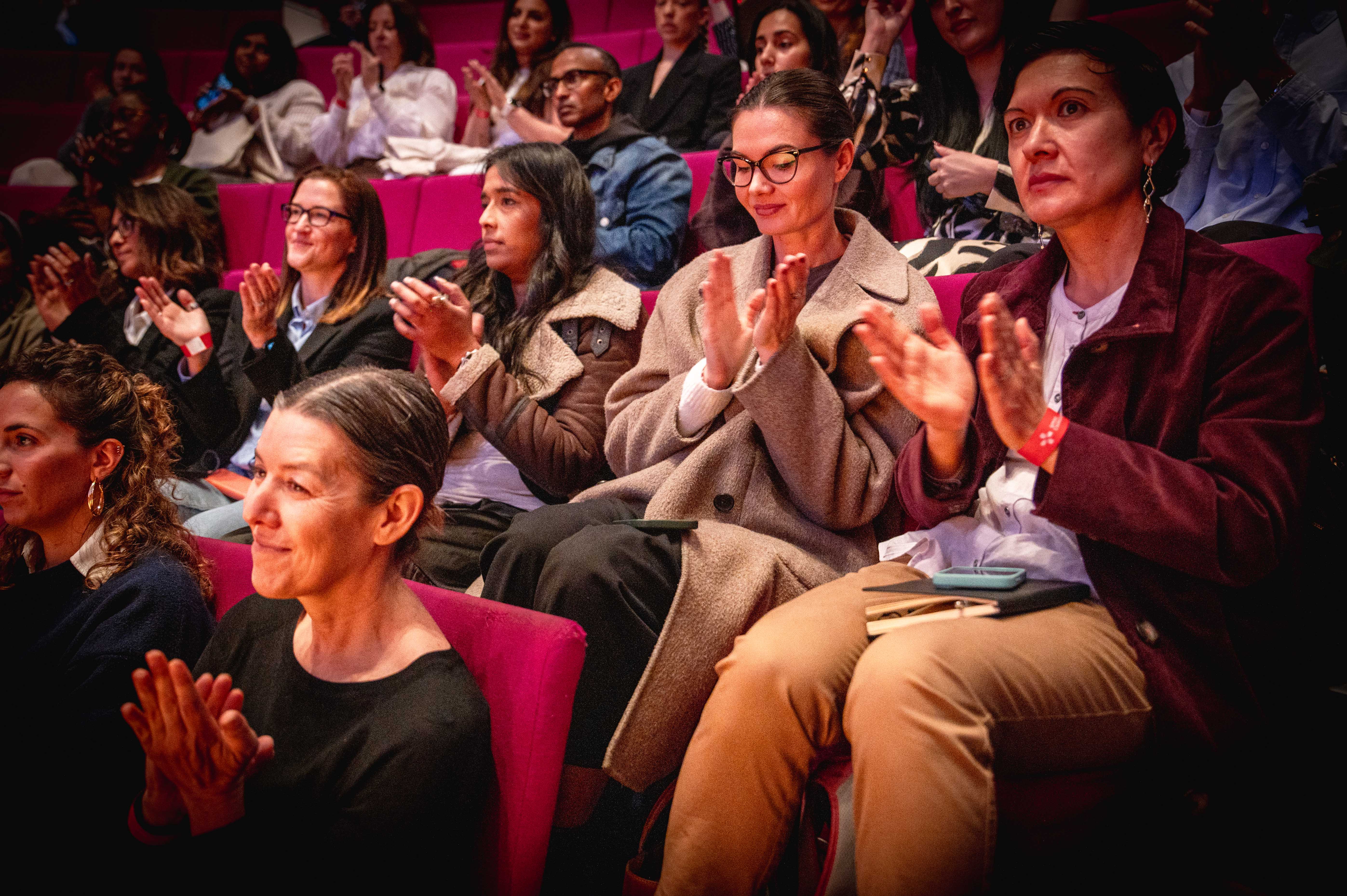
Foto: Game Changer
The theme nobody could escape
The conference was opened by our own Vanja Ljevar, who set the tone with something deceptively simple: "It's a Matter of Trust." That framing held up all day. Session after session kept circling back to the same tension: AI systems are getting better at predicting, personalising and optimising human behaviour, but trust in those systems isn't keeping pace with their capability. And without trust, none of it works.
That's not abstract. That's the exact problem we're trying to solve in gifting. Telling someone "an algorithm chose this gift for you" is not, it turns out, the warm and meaningful experience people are hoping for. Understanding why something is the right gift, the psychology behind it, is what makes the recommendation land. The technology is the plumbing. The trust is the house.
The session that stuck with us
The panel on the psychology of attention in media, featuring Patrick Fagan and moderated by Dr. Terri Holloway, was a sharp reminder that AI isn't just distributing content anymore. It's shaping emotional responses at scale. Which raises an uncomfortable question: if algorithms are increasingly steering what people notice, feel and want, who is responsible for how those systems are designed?
We don't have a clean answer to that either. But it's the kind of question we'd rather be asking out loud than quietly ignoring.
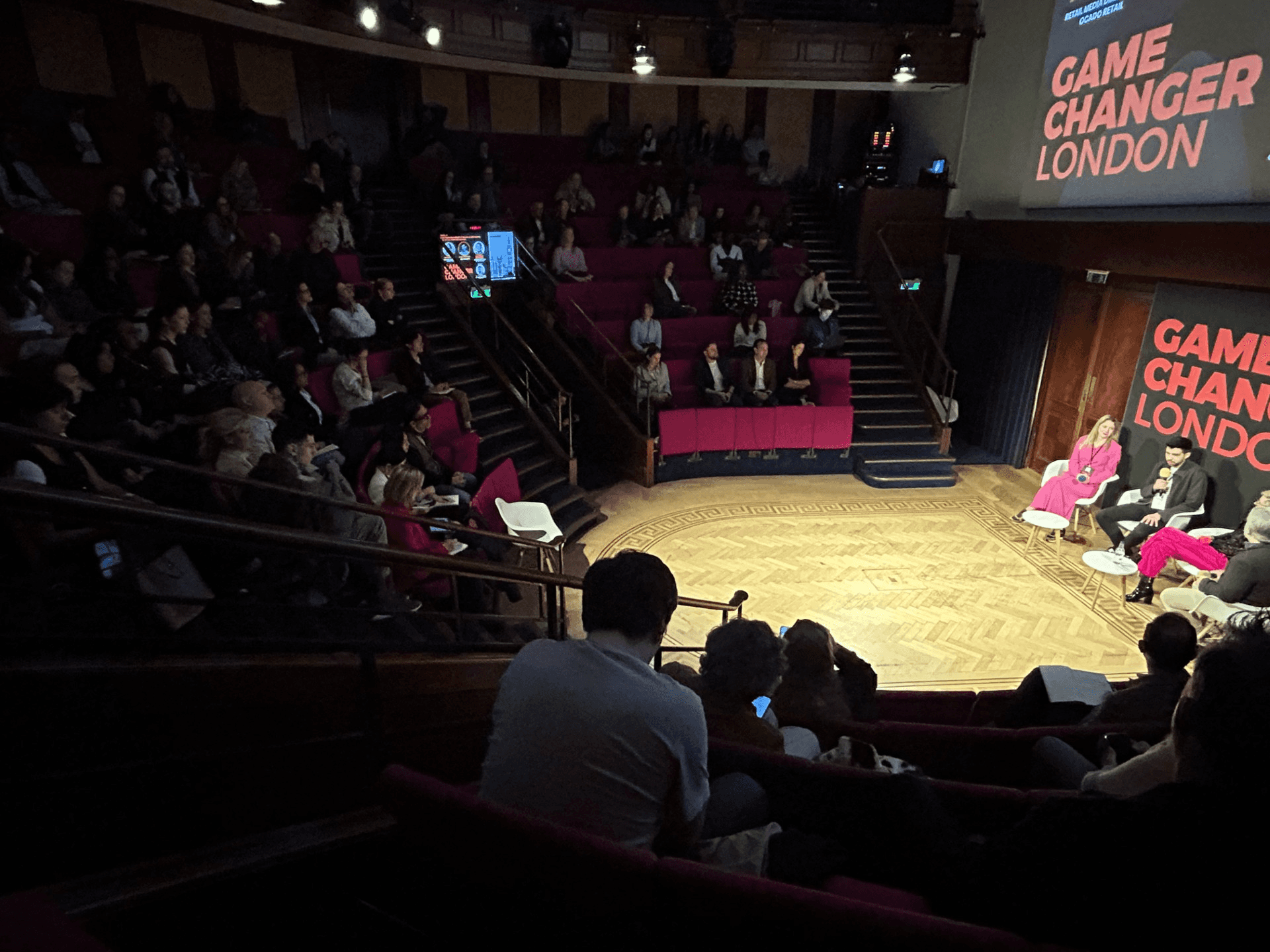
Foto: Game Changer
The startup panel (yes, that's us)
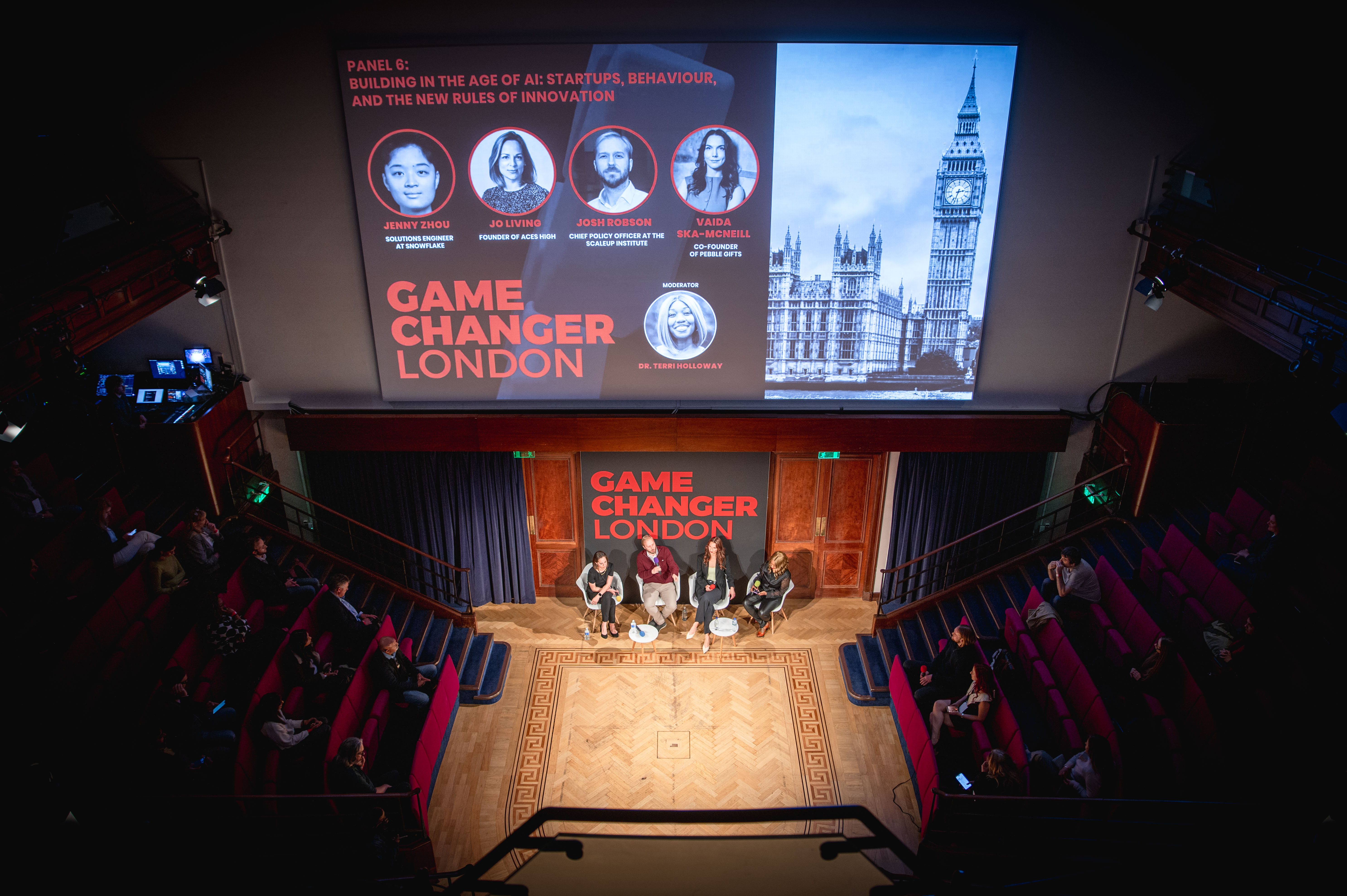
I spoke on the closing panel, Building in the Age of AI: Startups, Behaviour and the New Rules of Innovation, alongside Jo Living and Josh Robson, moderated again by Dr. Terri Holloway. The conversation got into something we feel strongly about: speed is no longer the startup advantage it once was. The advantage now is understanding how people actually behave, what they really want, and building something that meets them there rather than somewhere convenient for the product team.
Pebble exists because gifting is a human problem, not a search problem. You don't need more options. You need someone, or something, that genuinely gets who you're buying for.
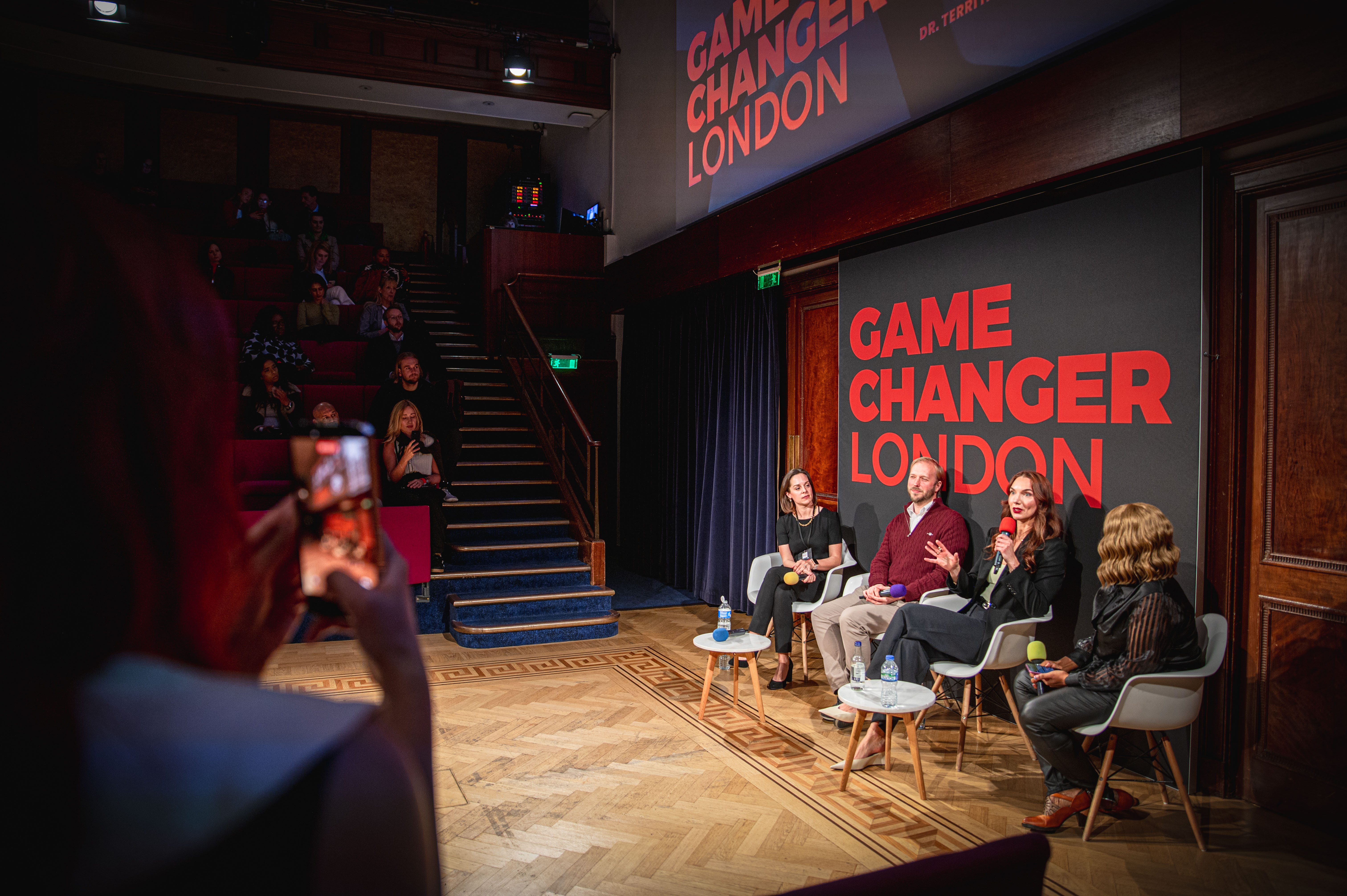
Foto: Game Changer
The bigger picture
What Game Changer London made clear is that AI is no longer a future conversation. It's the operating environment we're all already inside. The question isn't whether AI will change how decisions get made; it already has. The question is whether the people building these systems understand enough about human behaviour to do it well.
We think that's the only question worth answering. It's why Pebble is built on psychology first, technology second... and why we'll keep showing up to rooms like this one.
Curious what a genuinely personalised gift recommendation feels like? Try Pebble.